Status
The status of the component
Status
The status of the component
Figma component
A link to the Figma library where the component lives.

Inline links should be used within a body of text whereas standalone links should exist on their own or placed right after the content block.
Open in the current tab when:
Open in a new tab when:
Don't open links in a new tab without a clear reason.
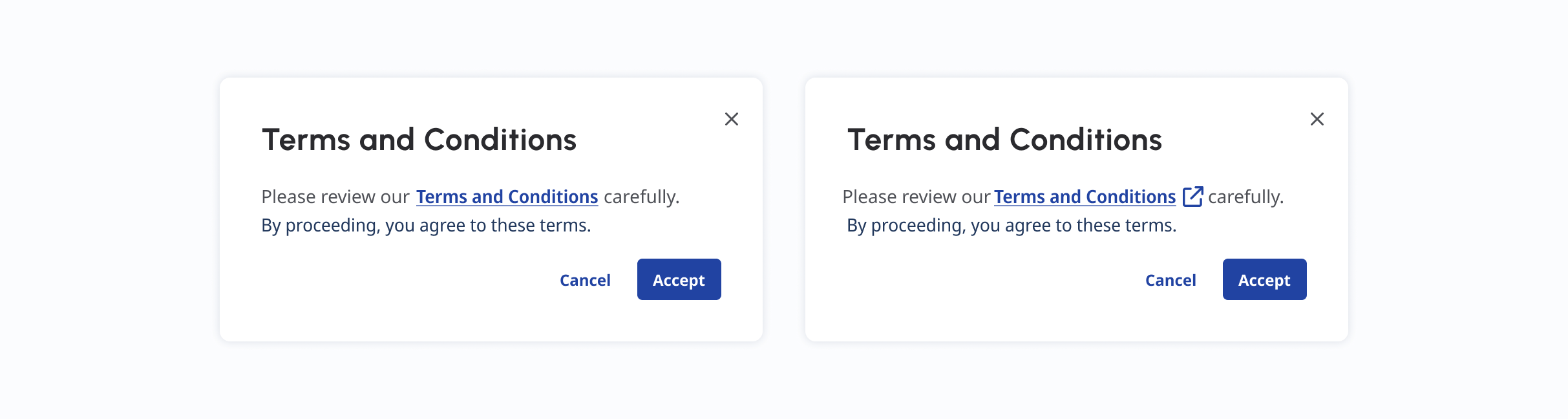
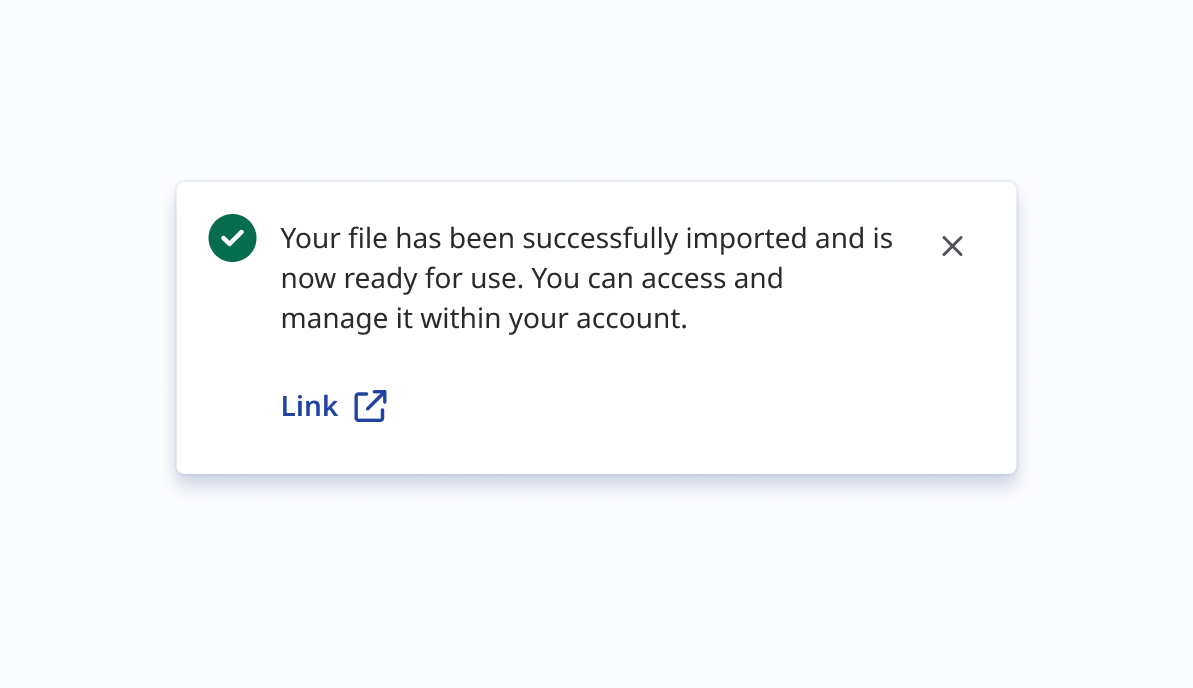
Inline links are usually placed within a paragraph. Consider using fewer links within a single sentence to reduce cognitive load.
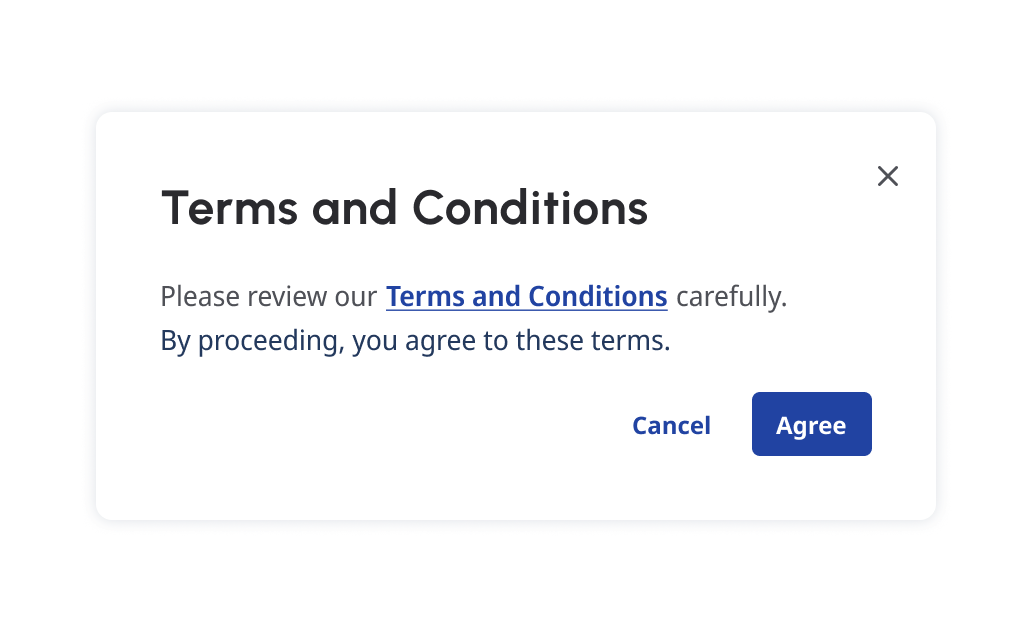
Add one meaningful link to a sentence.
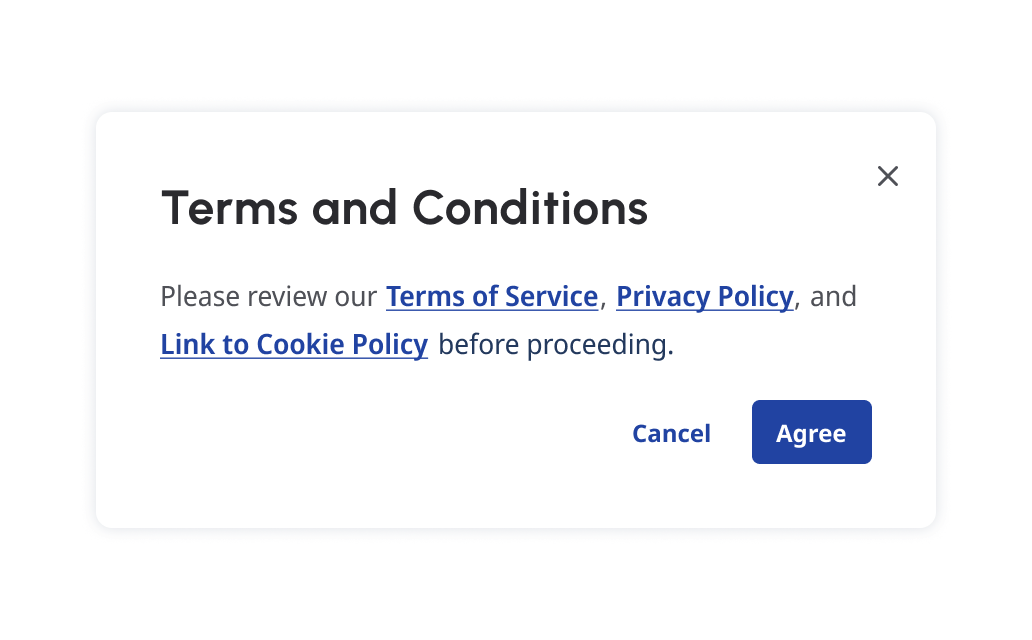
Avoid overcrowding one sentence with multiple links.
The breadcrumbs component uses standalone links as sub-components. Since breadcrumb links navigate within the current product, they should not display the external-link icon.
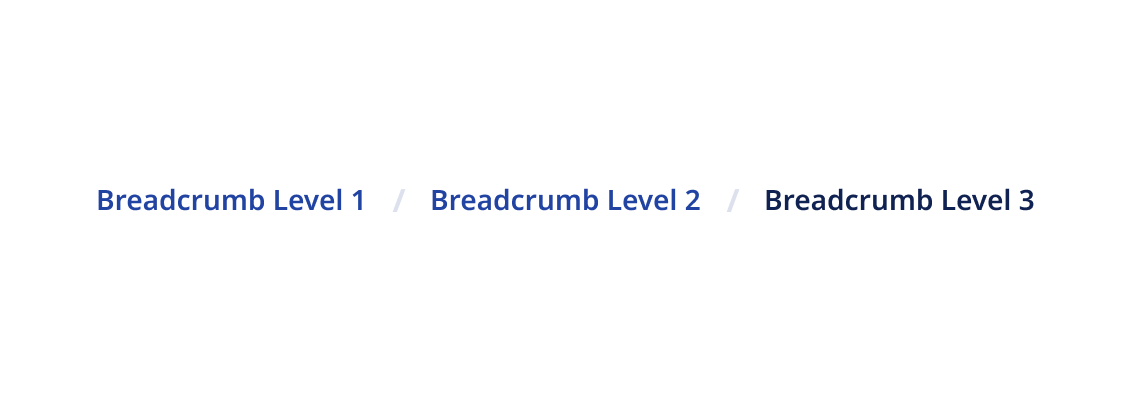
Use breadcrumbs as they come, with standalone links that have the icon-end hidden.
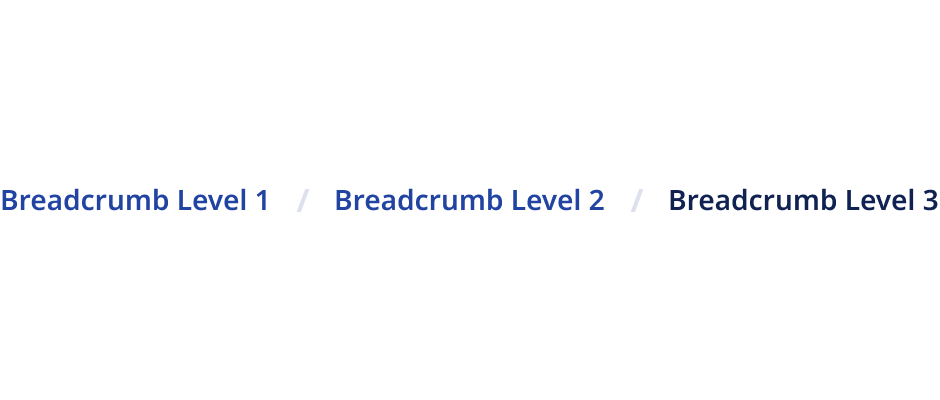
Don't pair standalone links within breadcrumbs with icons.
Buttons should be used for initiating a specific action such as submit, configure settings, etc. whereas links should be used to navigate to a new section or page or for providing additional information.
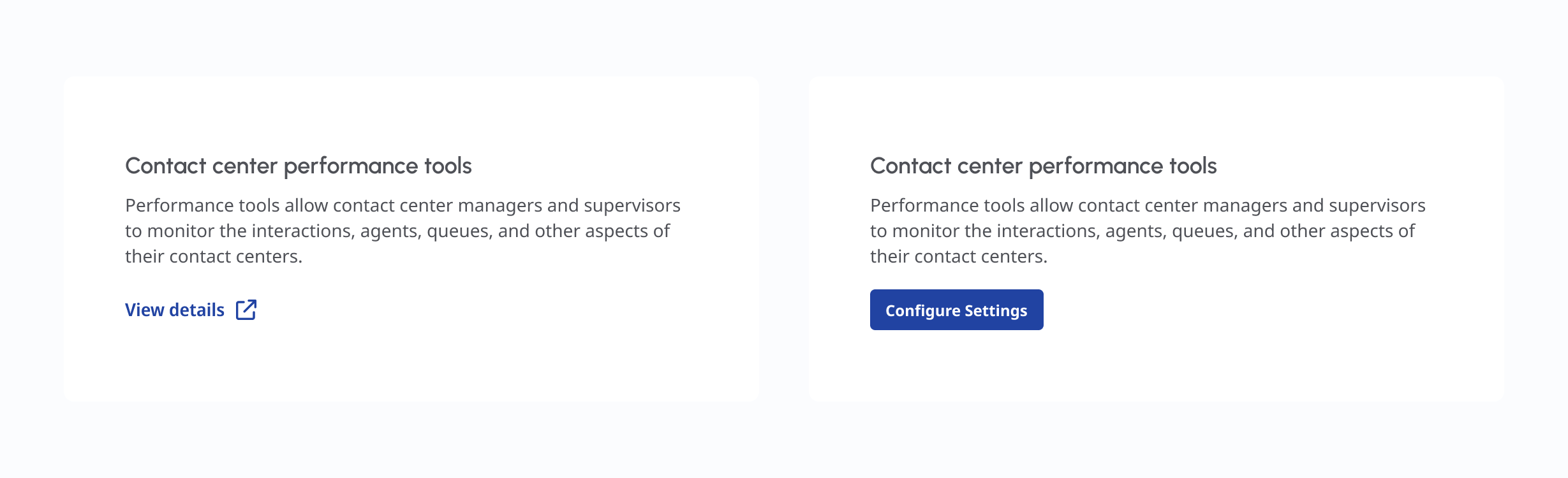
Links are used for navigation. Inline buttons are used to trigger lightweight actions without taking users away from their current context. Links and inline buttons may look similar, but they are not interchangeable. In code, links (<a>) navigate users to another location, while inline buttons (<button>) perform actions on the current page. Always choose the component based on its purpose, not its appearance.
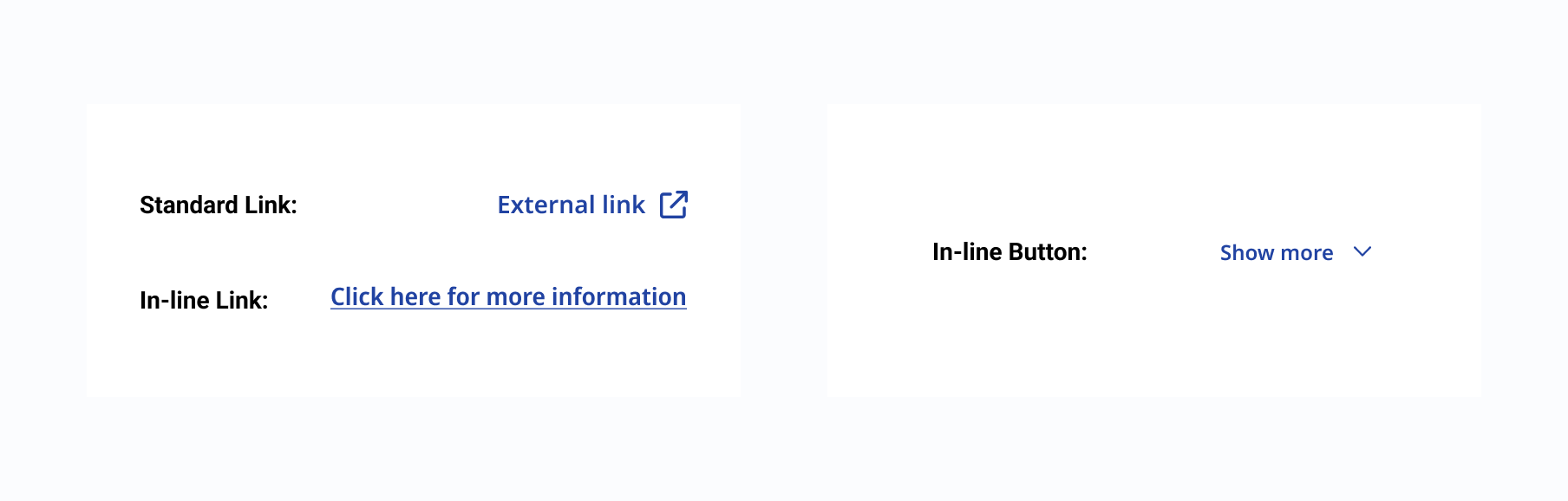
Use an inline button when opening a modal or other in-context interface. Unlike links, which navigate users to another destination, inline buttons trigger actions while keeping users in the same context. This provides clearer interaction expectations and improves accessibility.
|
User Goal |
Component |
User Expectations |
|---|---|---|
|
Navigate to another page within the application |
Link |
"Take me somewhere" |
|
Navigate to an external website or system |
Link |
"Take me somewhere" |
|
Open supporting documentation |
Link |
"Take me somewhere" |
|
Open another application, product, or external system |
Link |
"Take me somewhere" |
|
Open a modal, drawer, or side sheet, dropdown |
In-line Button |
"Show something here" |
|
Copy content |
In-line Button |
“Perform an action” |
|
Retry an action |
In-line Button |
“Perform an action” |
|
Expand, reveal, or update content in place |
In-line Button |
“Change something here” |
|
Trigger a workflow without leaving the current page |
In-line Button |
“Perform an action” |
|
Open contextual details without changing pages |
In-line Button |
“Show something here” |
|
Show additional information inline ("View details", "Show more") |
In-line Button |
“Reveal something here” |
|
Open a confirmation dialog |
In-line Button |
“Confirm an action here” |